
3 Things That Make Your Home Feel Outdated (And What to Do Instead)

April 16, 2026

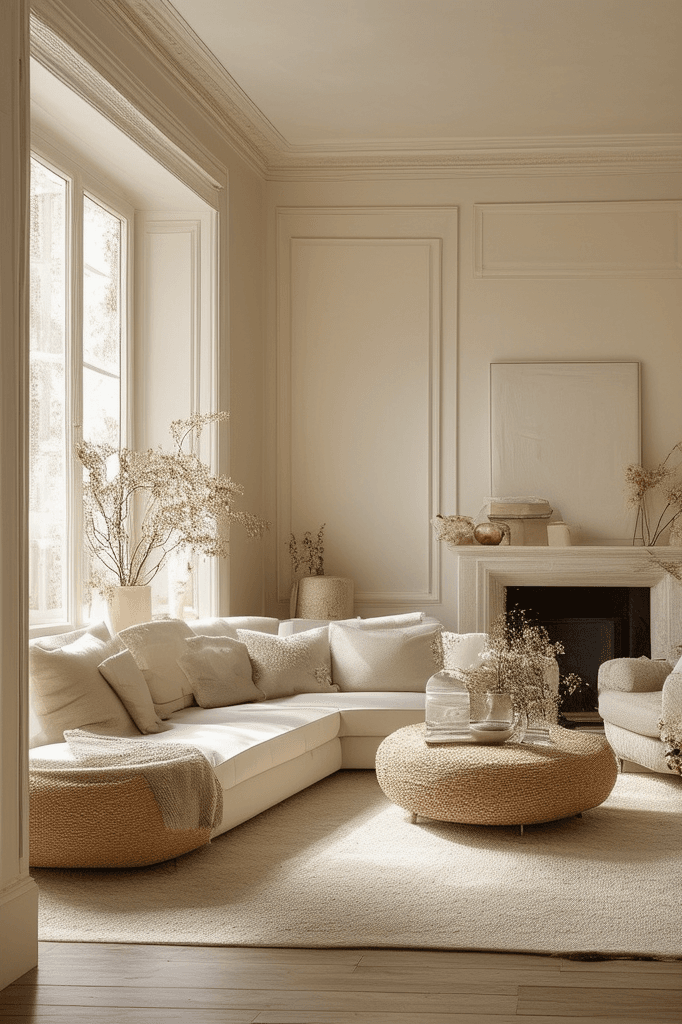
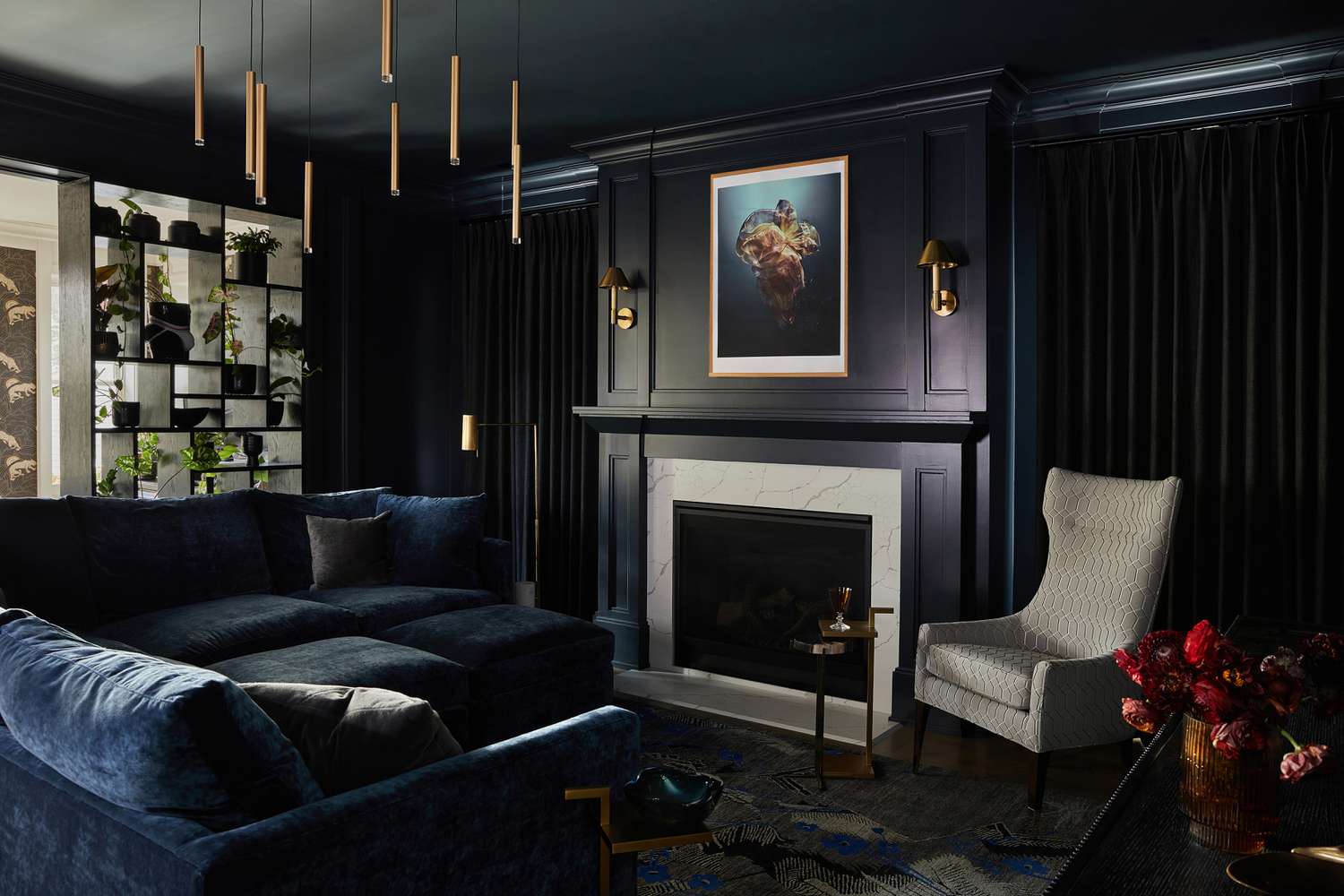
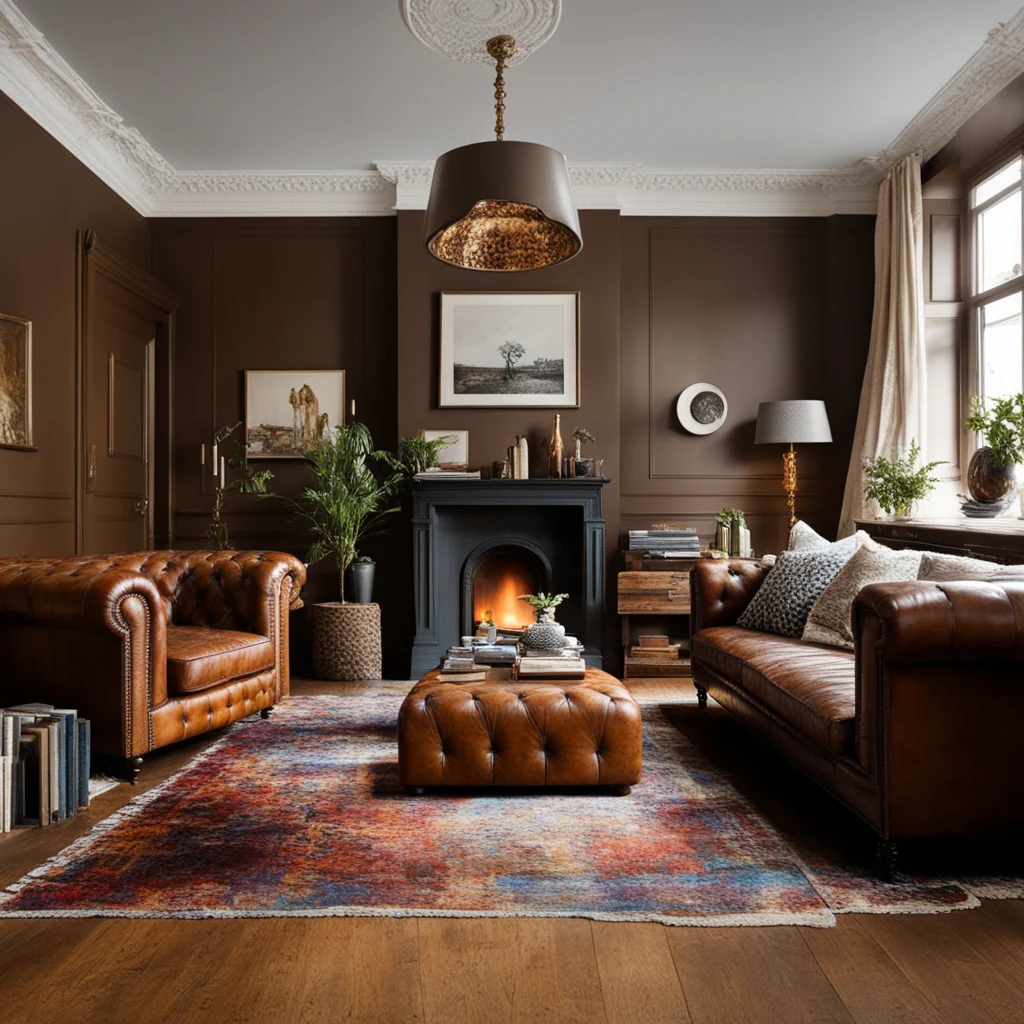
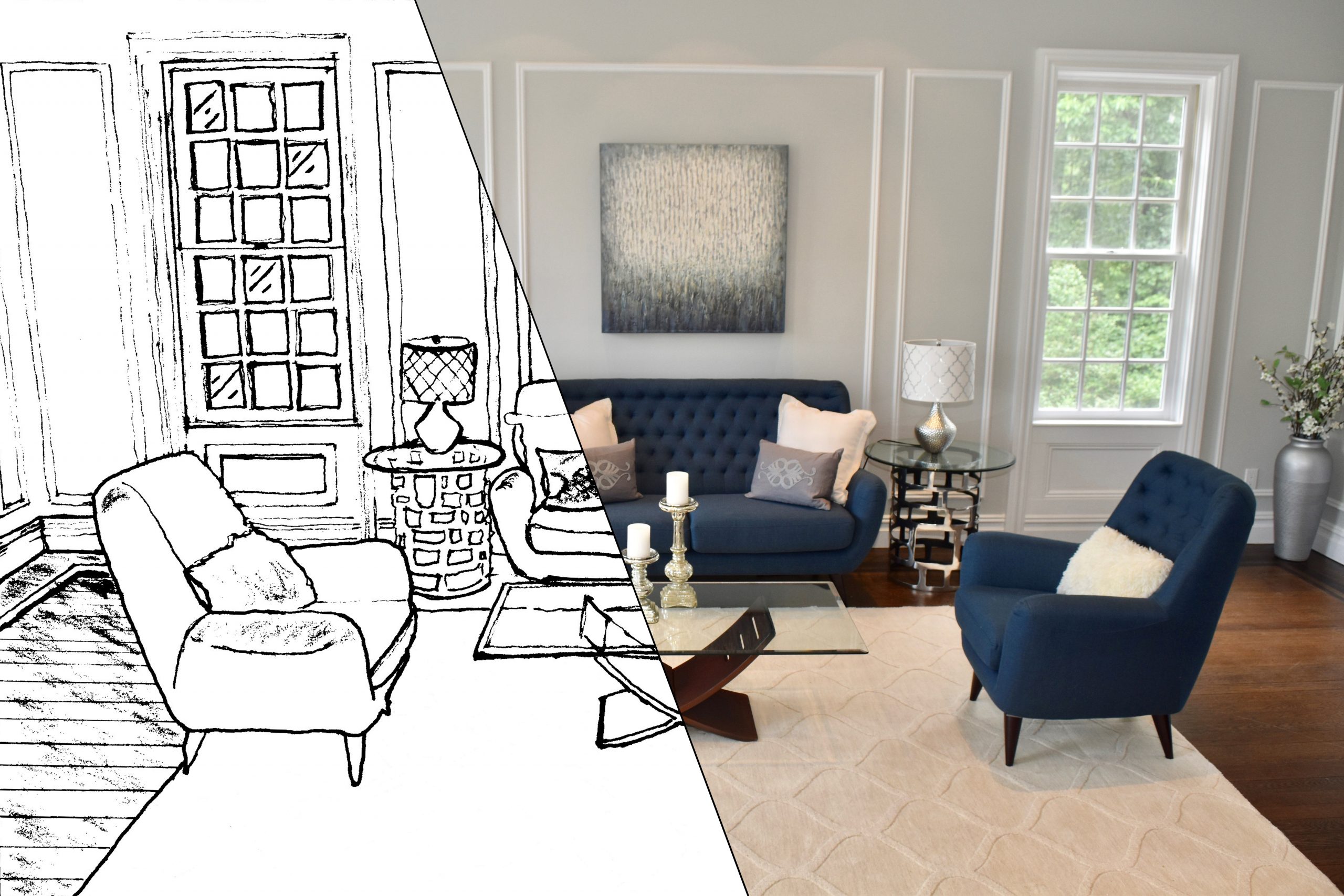
Design trends naturally evolve, and while every home reflects its era, certain features can quickly make a space feel stuck in the past. The good news? A few strategic updates can instantly modernize your home without a full renovation.

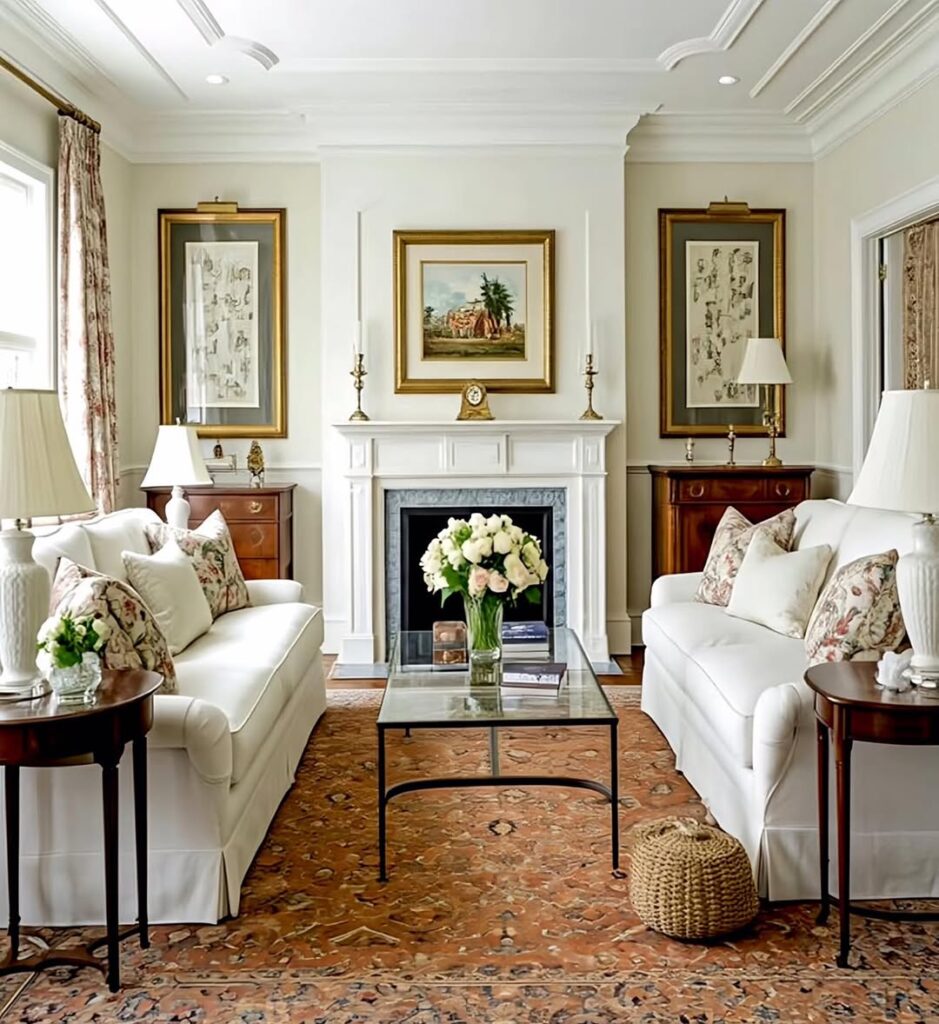
1. Matching Everything

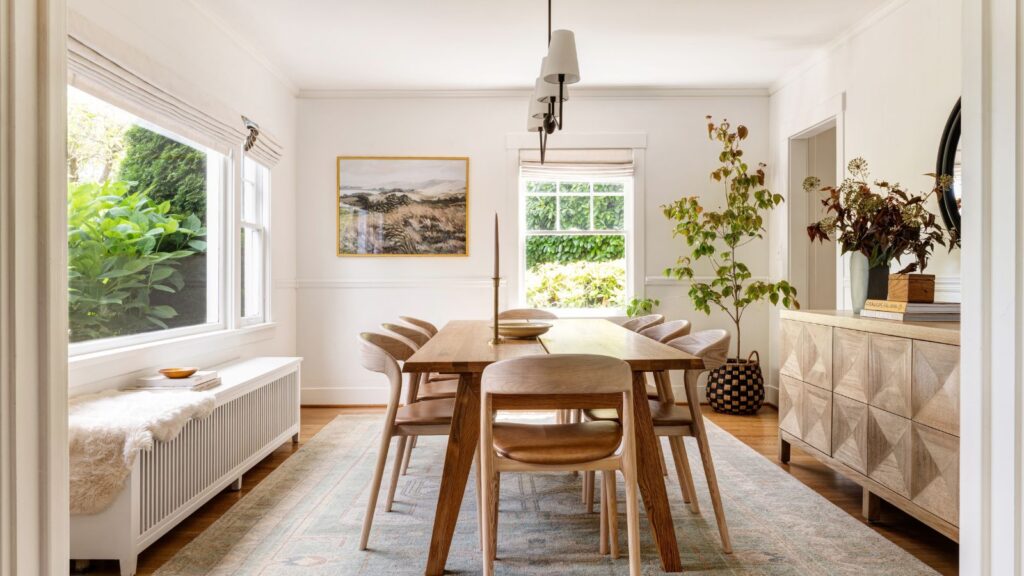
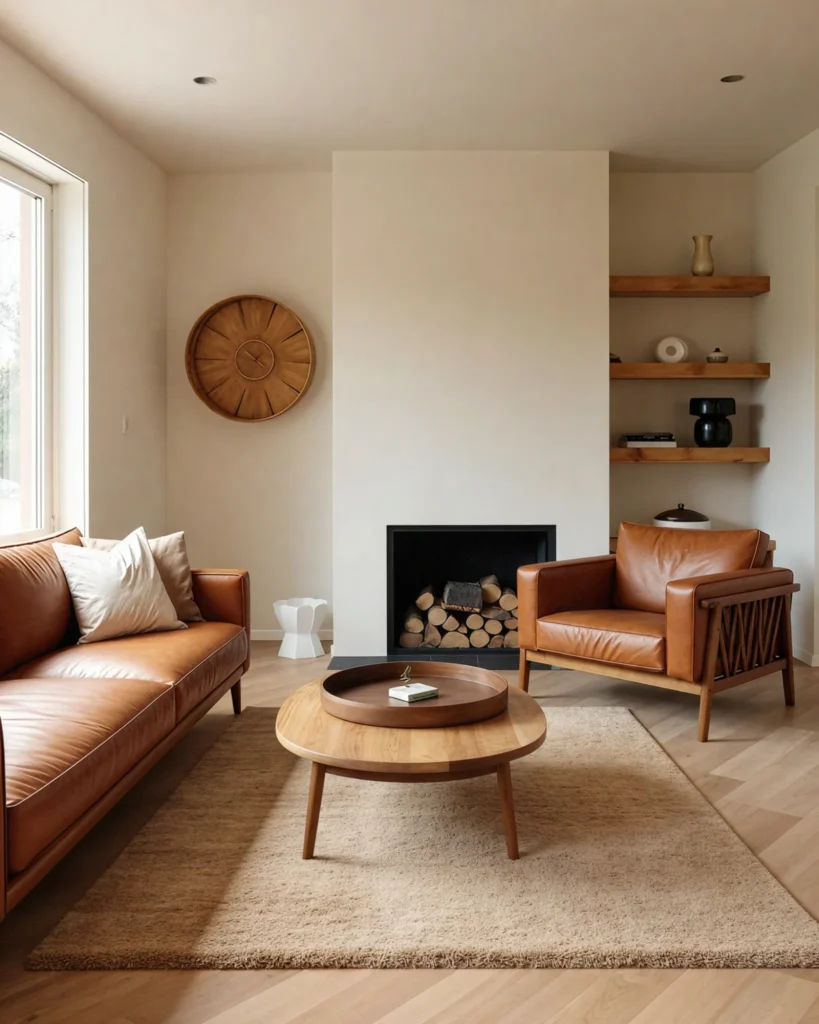
There was a time when perfectly matched furniture sets and uniform finishes were the goal. Matching wood tones, identical hardware throughout, and coordinated décor can now make a home feel flat and dated.

What to do instead:
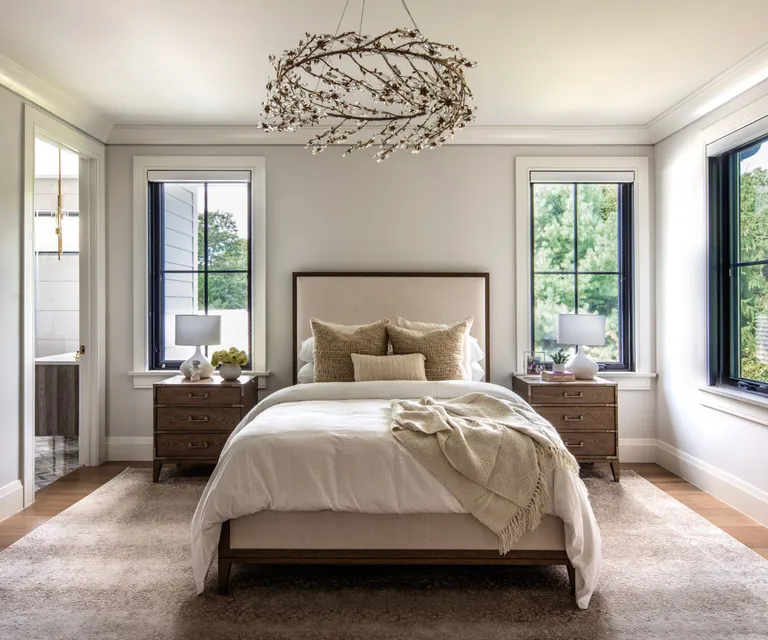
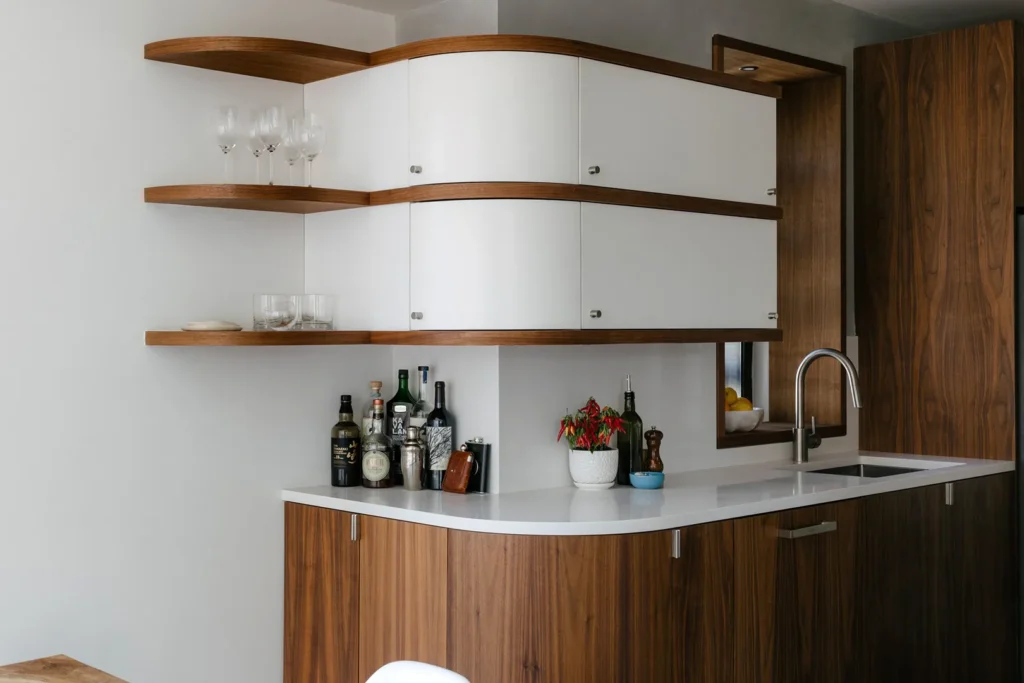
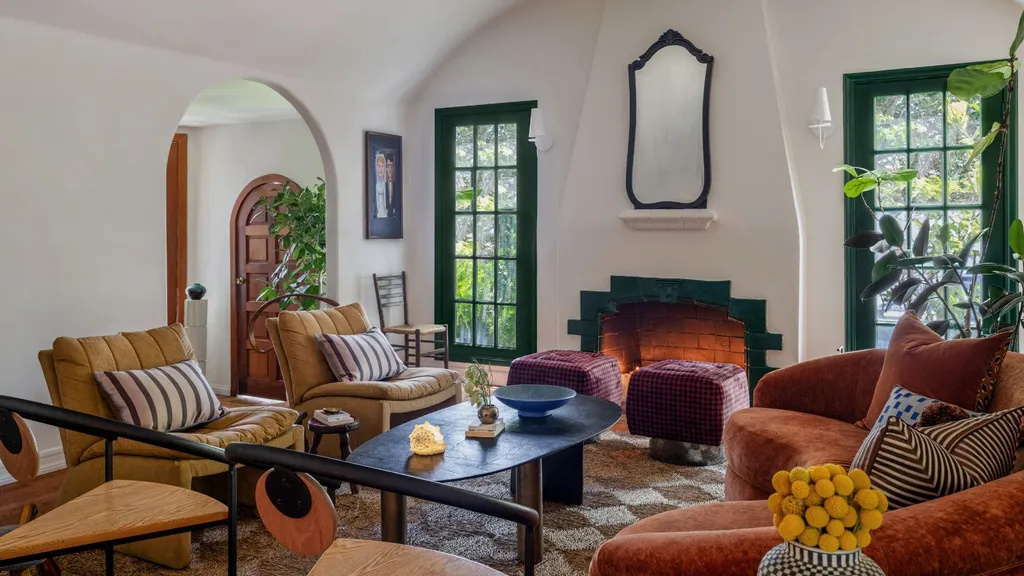
Layer materials and finishes. Mix wood tones, combine metals, and incorporate varied textures. A curated, collected look feels more intentional and modern than a showroom-perfect match.


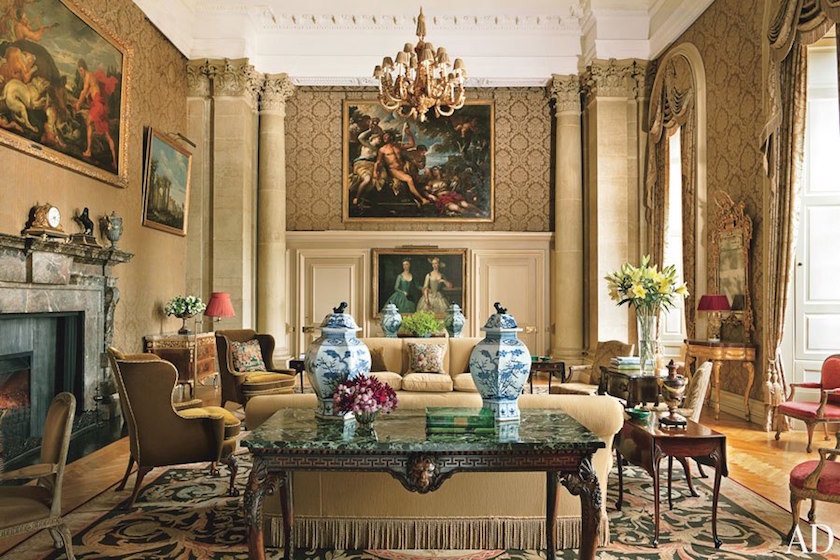
2. Overly Themed Rooms

Tuscan kitchens, farmhouse overload, or ultra-industrial spaces were once highly popular — but heavily themed rooms can lock your home into a specific decade.

What to do instead:
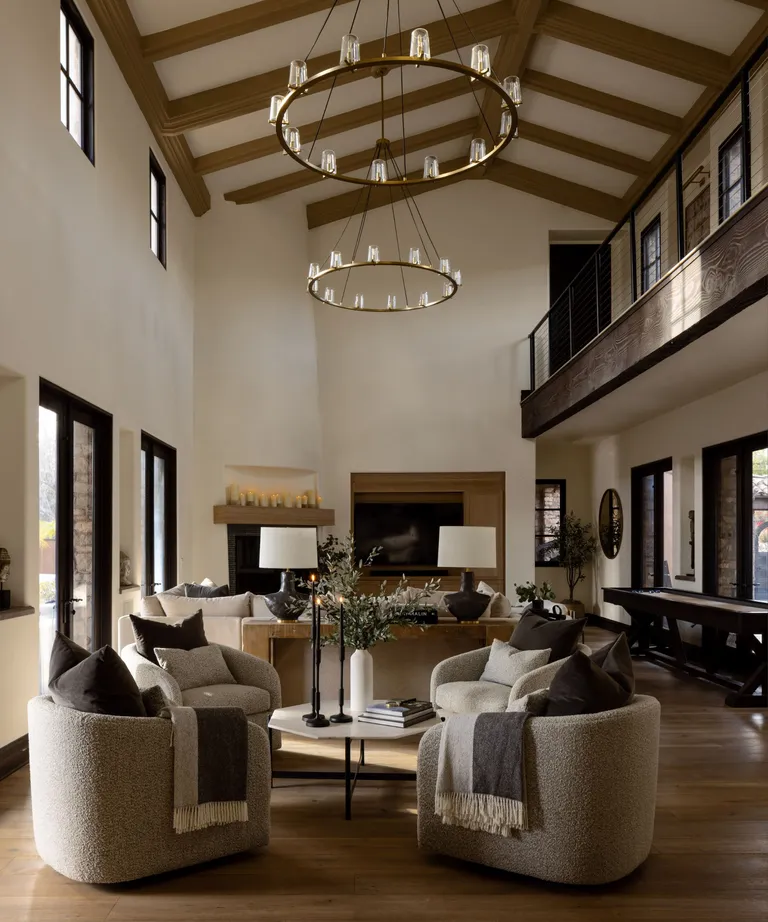
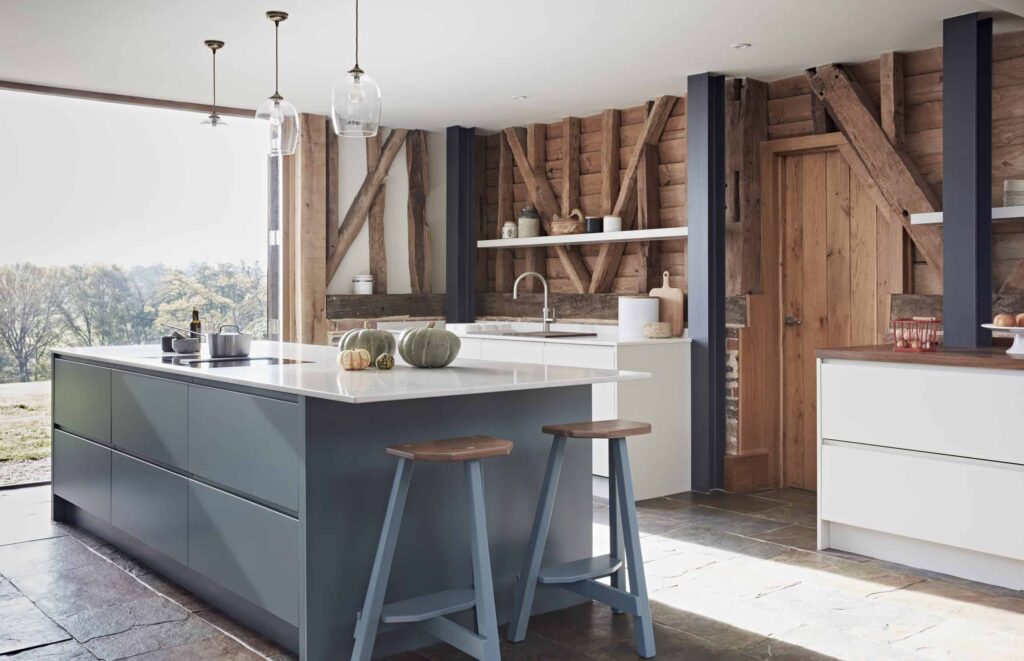
Opt for timeless foundations. Choose neutral cabinetry, classic materials, and clean lines, then layer in personality through décor, lighting, and accessories that can easily be updated over time.


3. Outdated Fixtures & Finishes

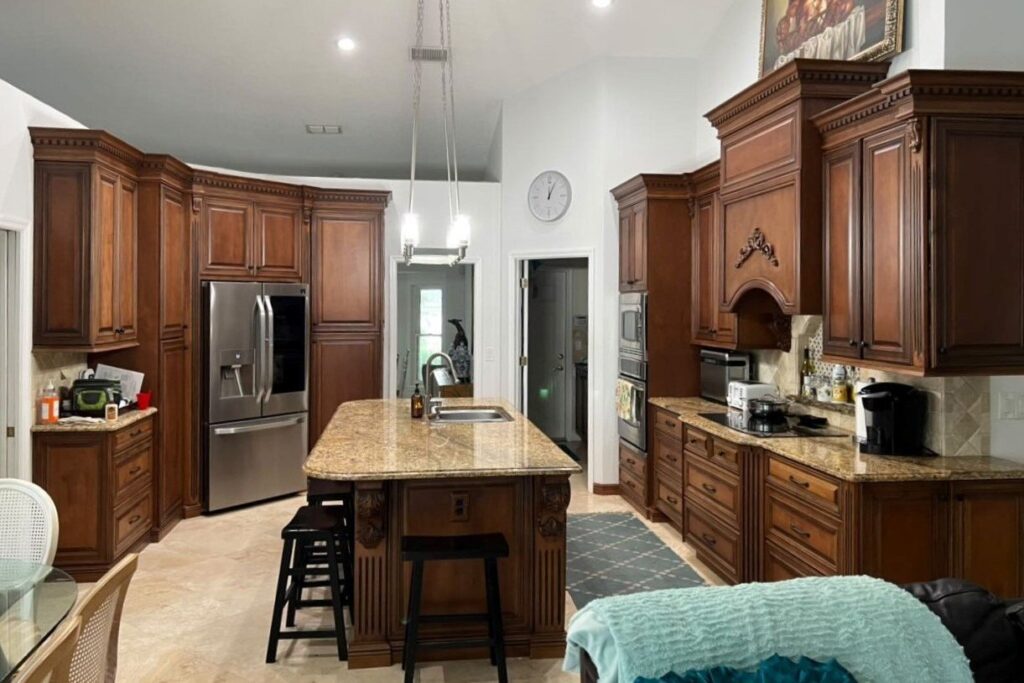
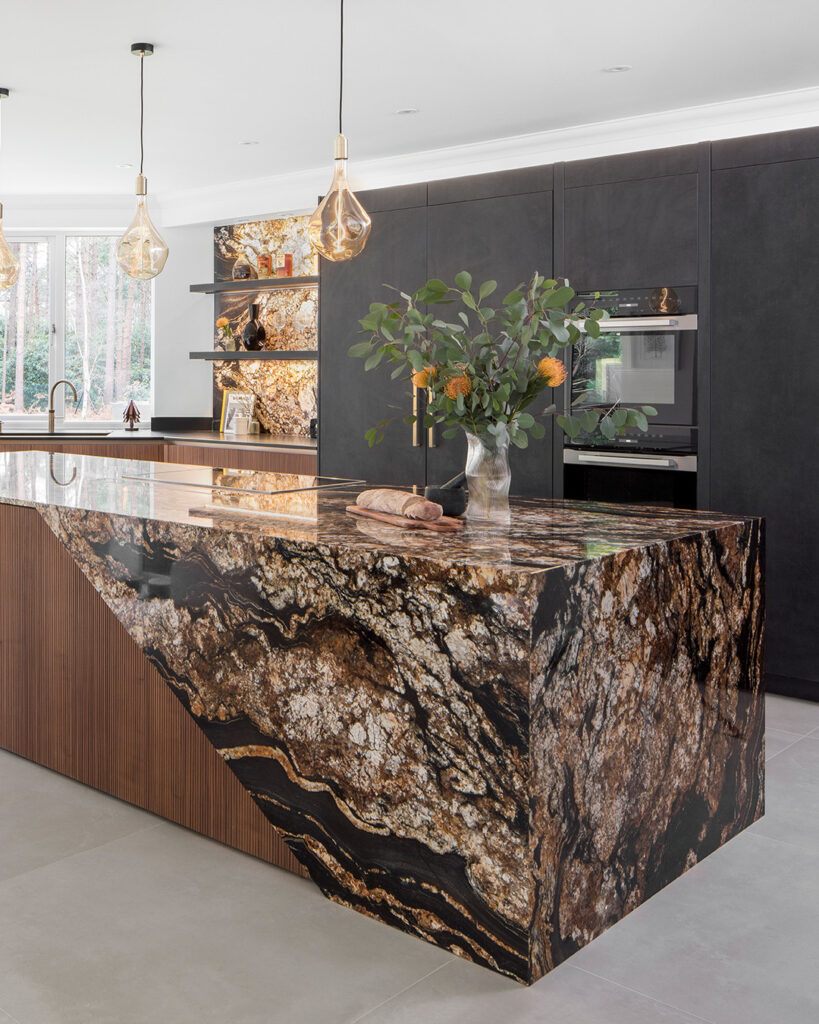
Shiny brass hardware from the 90s, heavy ornate light fixtures, or dark granite with busy patterns can instantly date a space.

What to do instead:
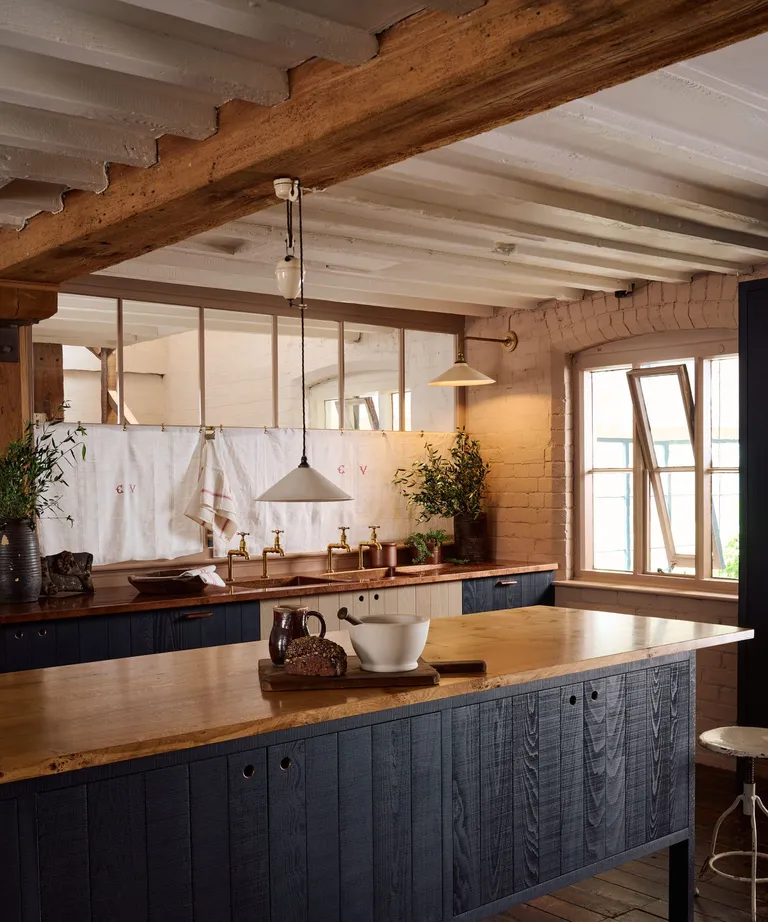
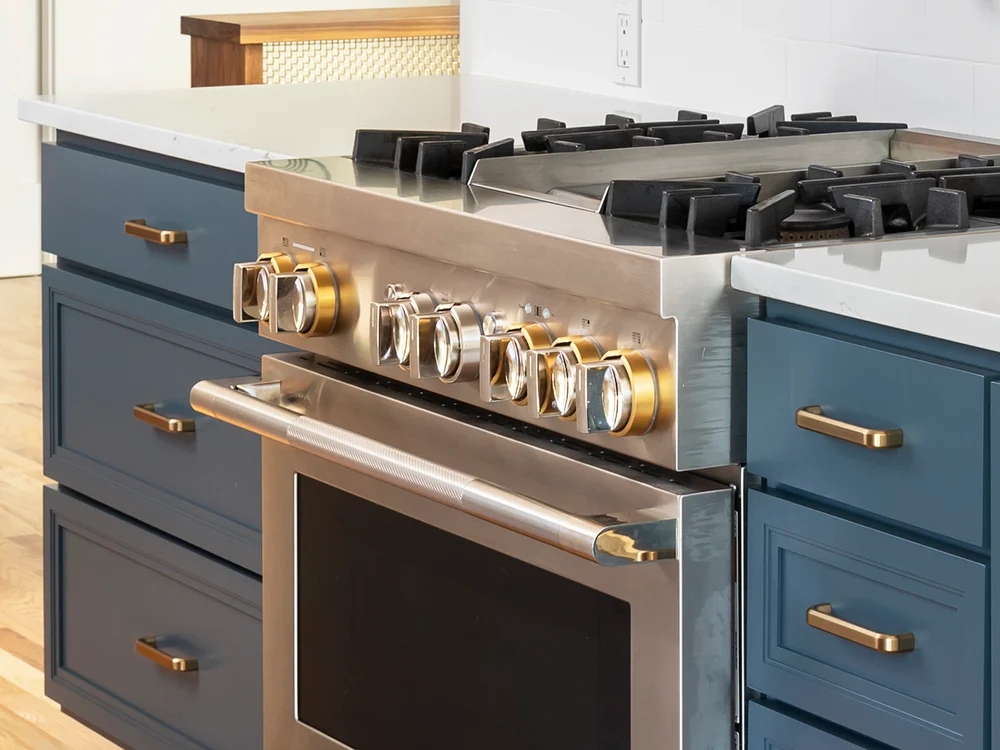
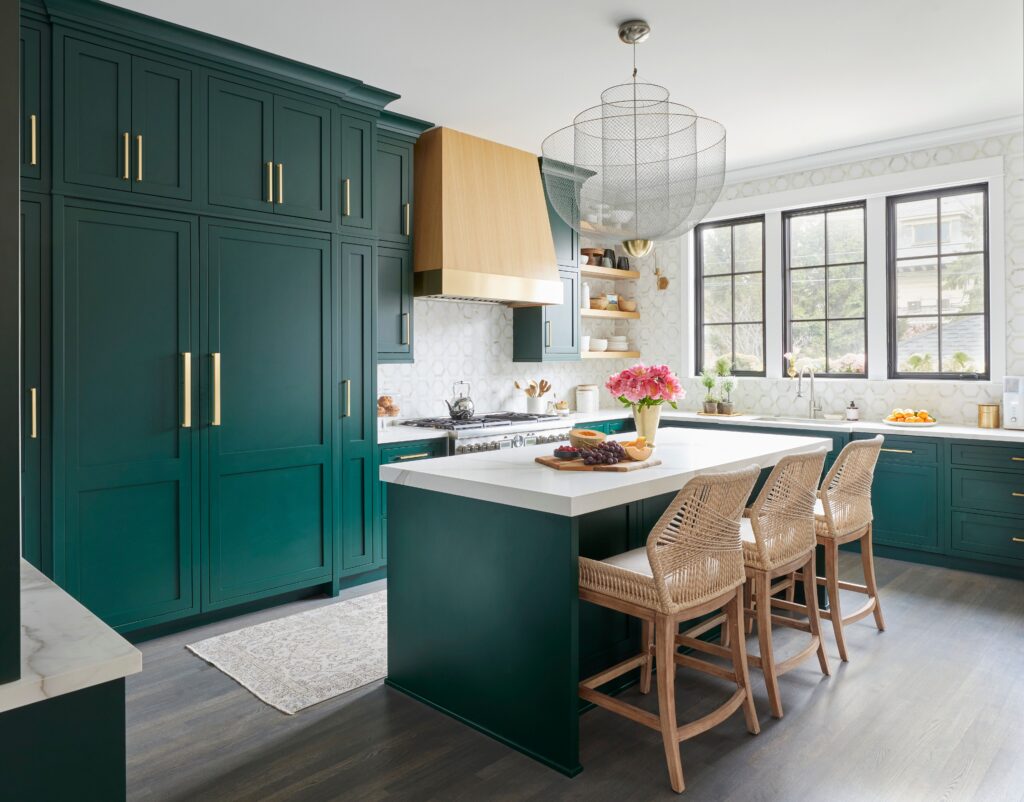
Swap in streamlined lighting, modern hardware, and lighter or more natural materials. Even small upgrades like matte black, brushed nickel, or warm brass finishes can refresh a room without major construction.

The Bottom Line

Homes become outdated not because they’re “old,” but because they lack evolution. By mixing materials, softening themes, and updating key finishes, you can create a space that feels current, layered, and timeless — without starting from scratch.

Kitchen Design Trends That Are Shaping Modern Homes

April 2, 2026

The kitchen continues to be the heart of the home — and today’s design trends reflect a balance of style, function, and comfort. From bold aesthetics to thoughtful functionality, these trends are defining what modern kitchens look like in 2026.

Warm & Textured Materials

Natural materials like wood, stone, and textured finishes are dominating kitchen design. Rich wood tones paired with matte surfaces add depth and warmth, moving away from ultra-slick, cold finishes.

Statement Islands

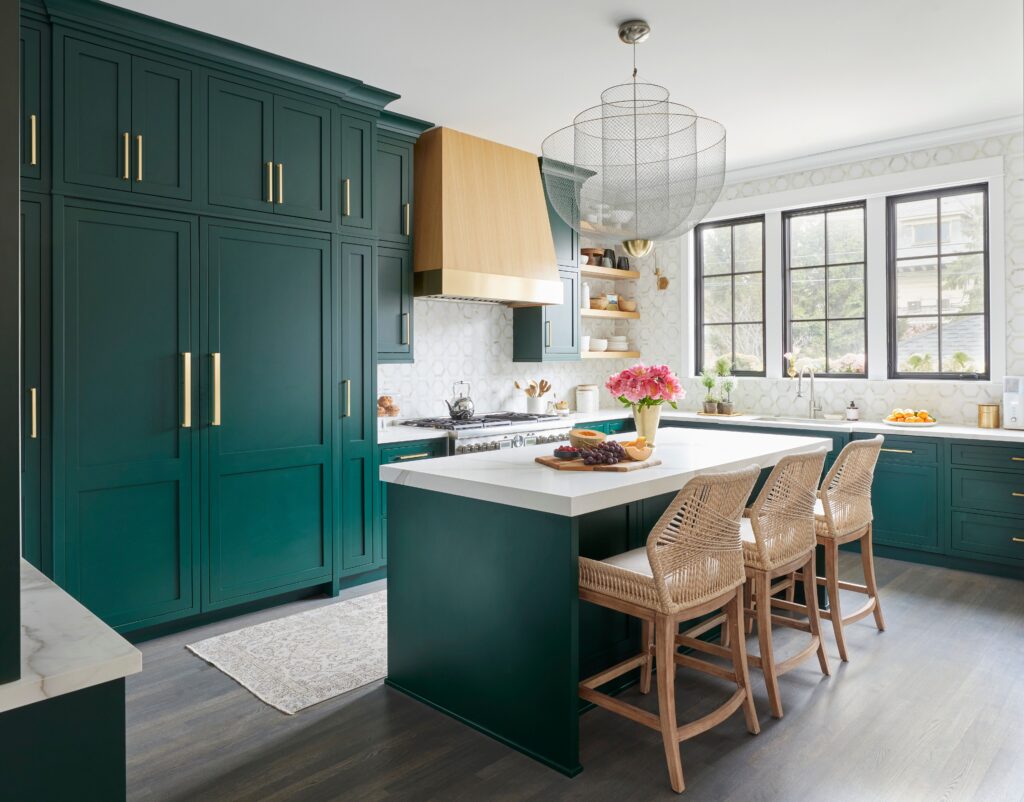
Kitchen islands are bigger and bolder than ever. Think mixed materials, seating for gatherings, and integrated storage or appliances — turning islands into multifunctional focal points.

Curved & Soft-Edge Cabinetry

Straight lines are giving way to softer silhouettes. Rounded cabinets, archways, and curved islands create a welcoming, organic flow.

Mixed Metals & Finishes

Gone are the days of matching hardware. Designers are blending metals — like brass with matte black or brushed nickel — for a layered, personalized look.

Hidden Tech & Integrated Appliances

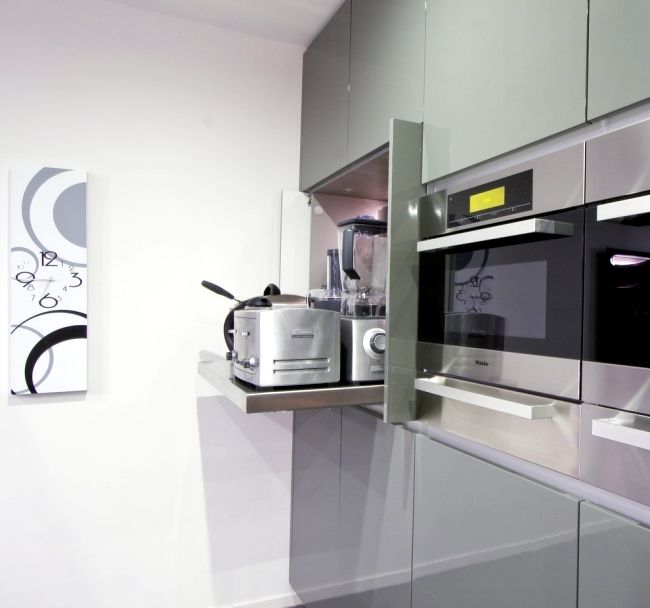
Appliances are seamlessly integrated for clean lines. Smart features — from touchless faucets to app-controlled ovens — continue to rise, blending convenience with sleek design.

Bold Color Choices

White kitchens aren’t disappearing, but color is making a comeback. Deep greens, navy blues, and even warm terracottas add personality without overwhelming the space.

Open Shelving & Curated Displays

Open shelving keeps kitchens feeling spacious and personal. Styled with meaningful pieces, it’s a chance to showcase cookware and décor in an intentional way.

In essence, modern kitchen design combines warmth, functionality, and personality — creating spaces that aren’t just beautiful, but truly lived in.

How to Design an Outdoor Space That Feels Like an Extension of Your Home

March 19, 2026

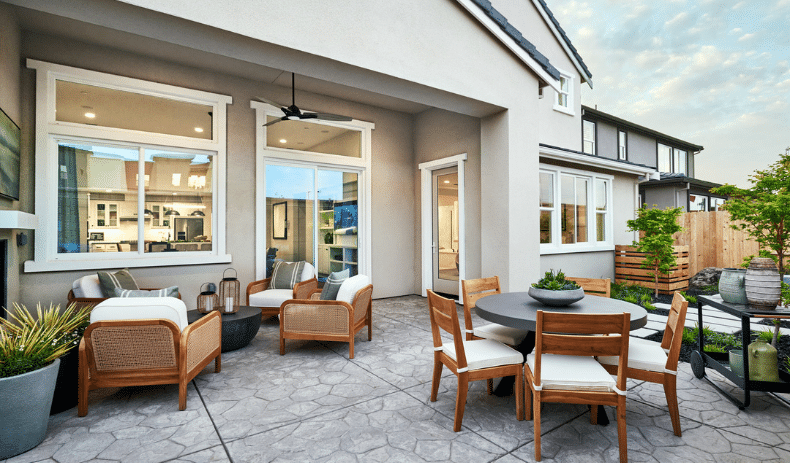
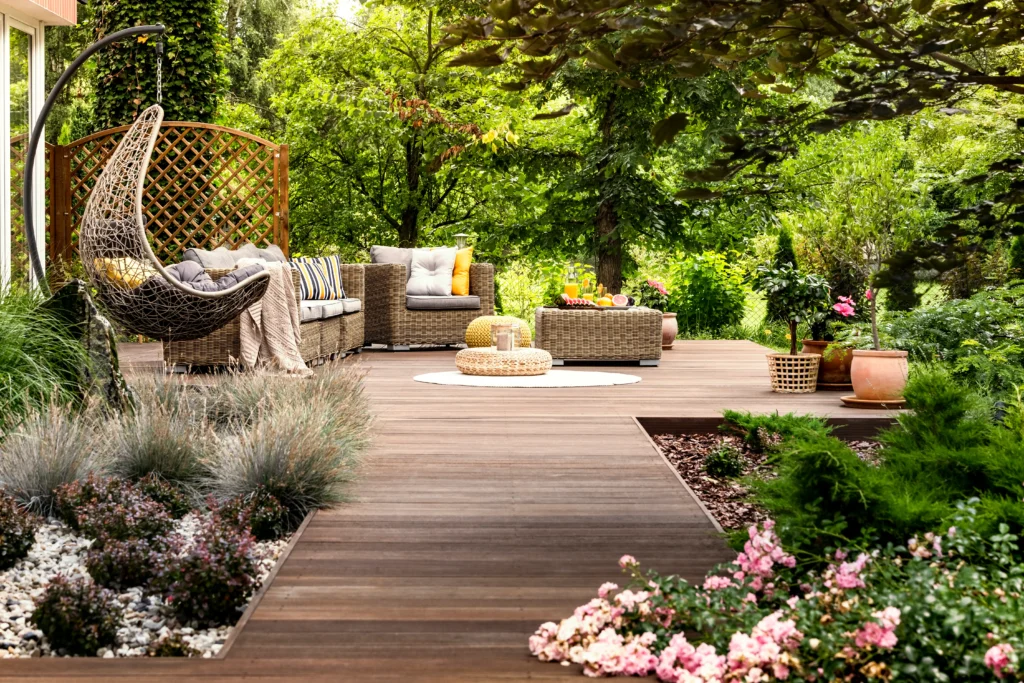
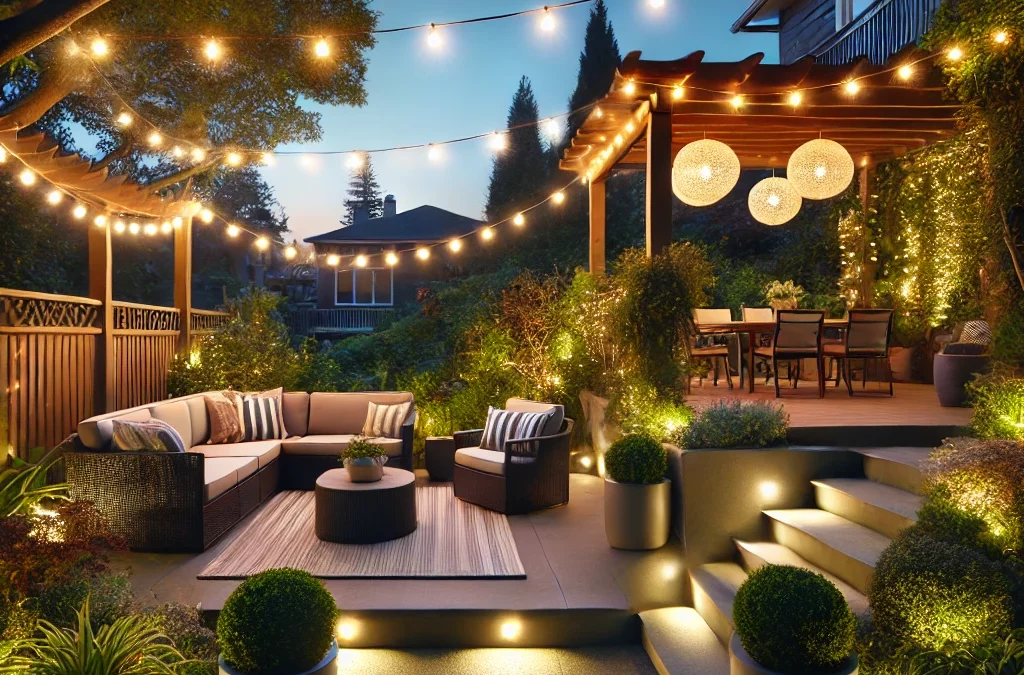
A well-designed outdoor space isn’t just a backyard — it’s an extension of your living area. Whether you have a sprawling yard or a compact patio, thoughtful planning can transform it into a functional and inviting retreat.

Start With Purpose

Before choosing furniture or plants, define how you want to use the space. Is it for entertaining? Relaxing? Dining? A clear purpose helps guide layout, materials, and features.

Create Functional Zones

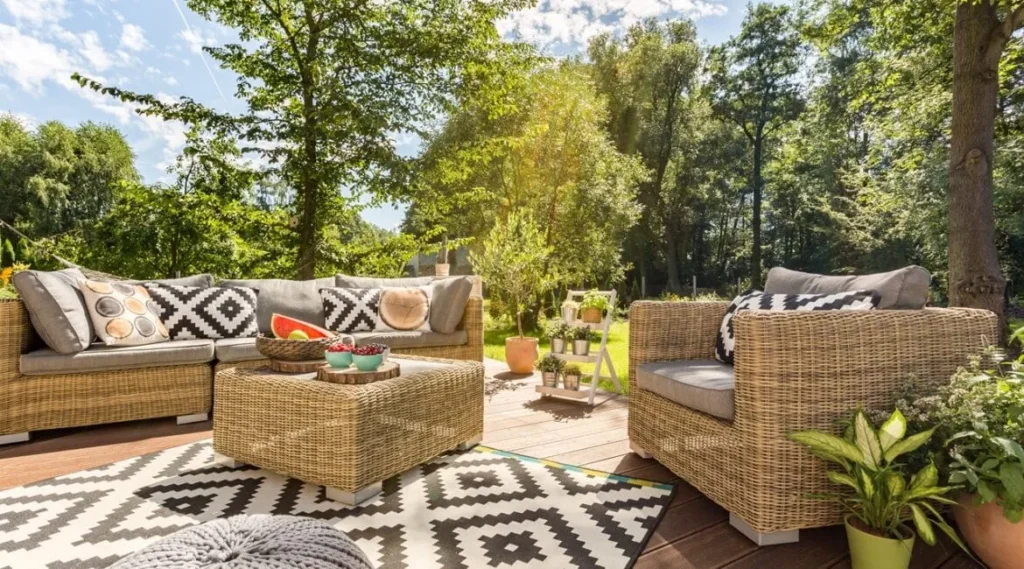
Just like indoors, outdoor spaces benefit from designated areas. Use rugs, planters, or furniture groupings to separate lounging, dining, and cooking zones while maintaining flow.

Choose Durable, Comfortable Materials

Select weather-resistant furniture and finishes that balance durability with comfort. Layer in cushions, throws, and shade solutions to make the space feel cozy and livable.

Incorporate Greenery

Plants add life, texture, and privacy. Mix planters, garden beds, and vertical greenery to soften hard surfaces and create a natural atmosphere.

Add Lighting for Ambiance

String lights, lanterns, or pathway lighting extend usability into the evening and create a warm, inviting glow.

Designing an outdoor space is about blending comfort, function, and personality. With intentional planning, your exterior can become one of the most enjoyed “rooms” of your home.

Interior Stair Design Trends Elevating Modern Homes

March 5, 2026

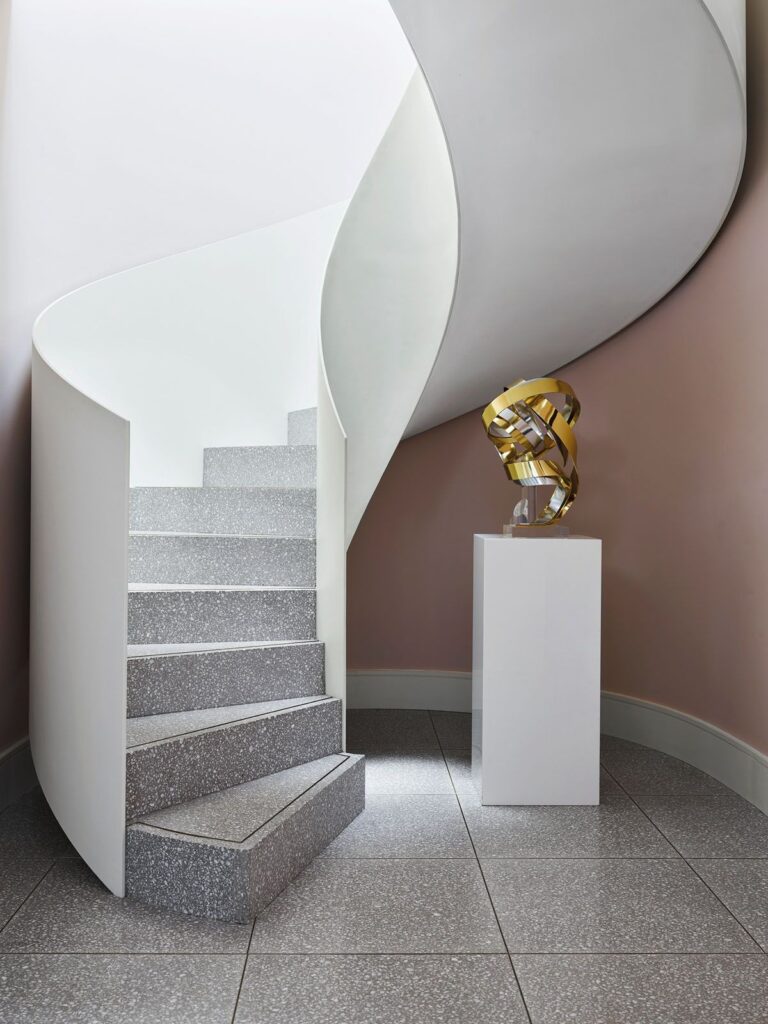
Stairs are no longer just functional — they’re becoming standout architectural features. Today’s interior stair trends combine sculptural design, natural materials, and smart functionality to transform everyday spaces.

Sculptural Statements

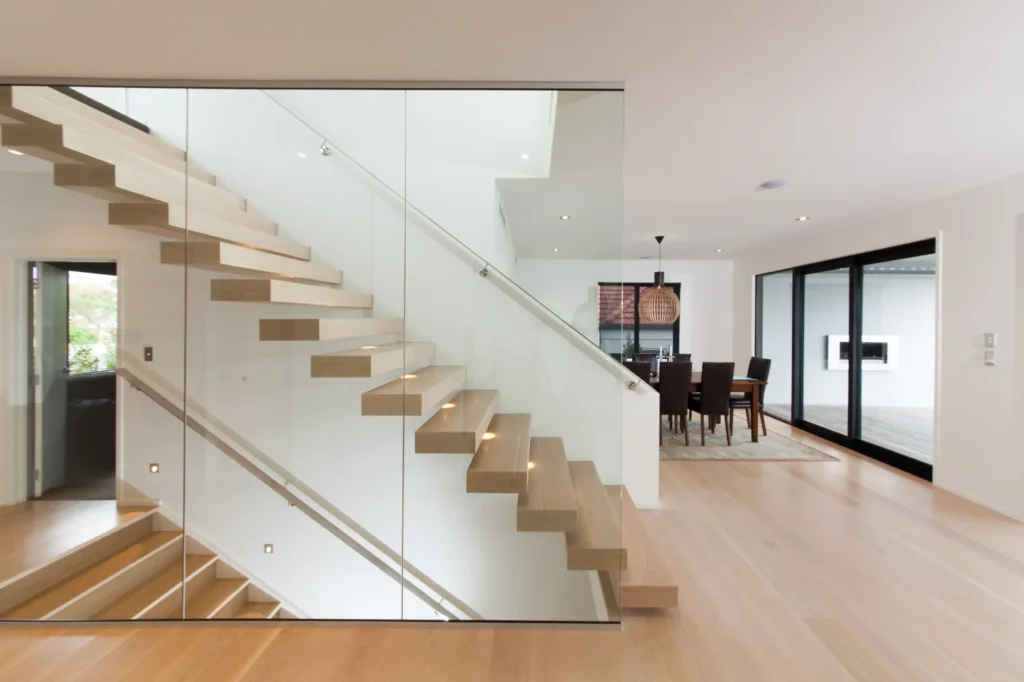
Floating, curved, and open-riser staircases are turning into artistic focal points. Clean lines and bold forms create visual drama, especially in open-concept homes.

Warm Natural Materials

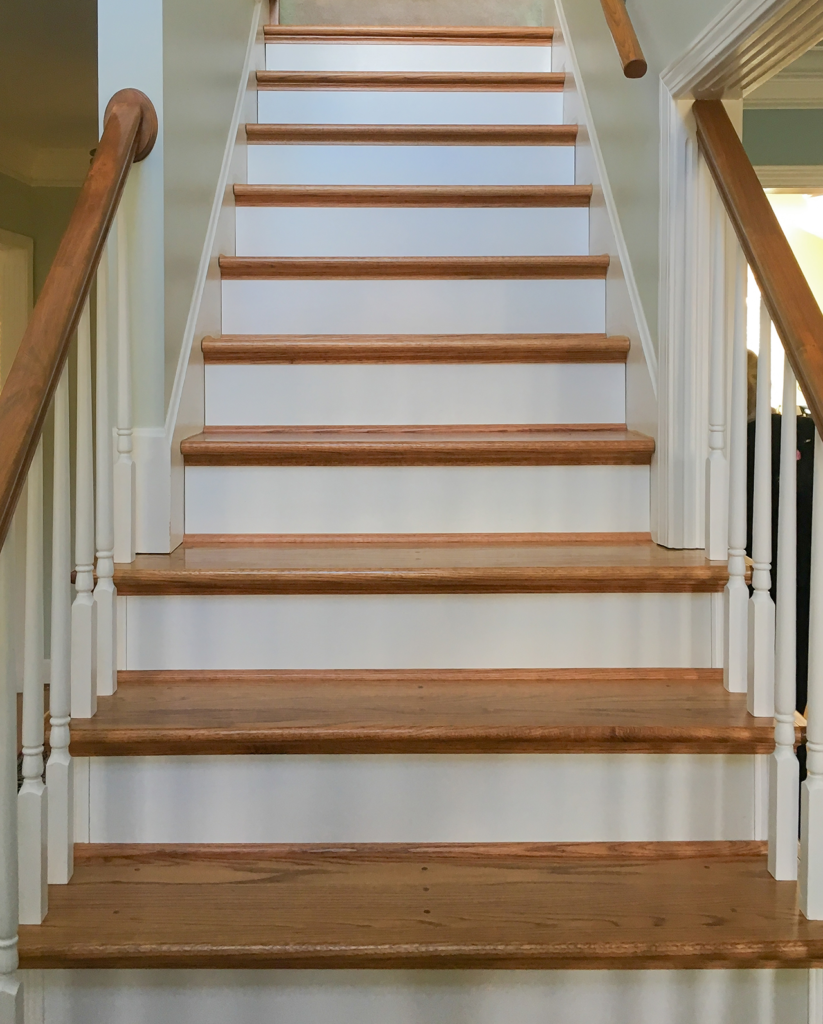
Wood remains a favorite, often paired with metal or glass for contrast. Rich tones and organic textures add warmth and depth to modern interiors.

Glass & Open Railings

Frameless glass balustrades keep sightlines open and allow light to flow freely, making spaces feel larger and brighter.

Bold Contrast & Monochrome

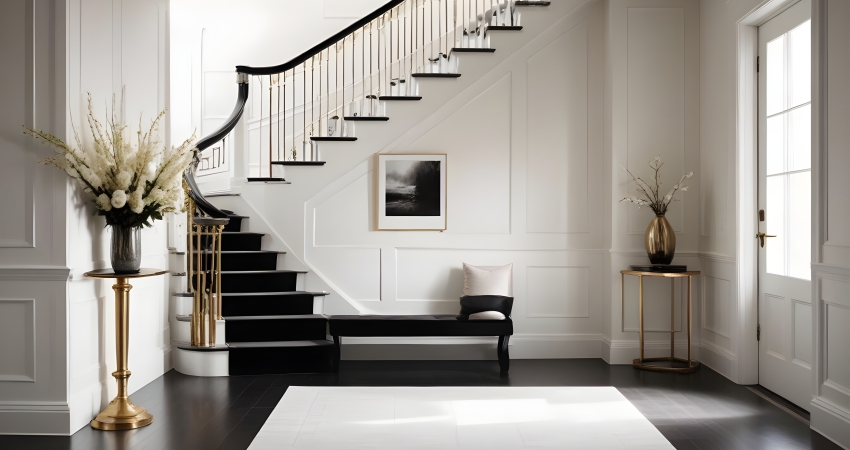
Black-and-white combinations, tone-on-tone wood, or color-accented stringers give staircases a more intentional, high-design feel.

Integrated Lighting

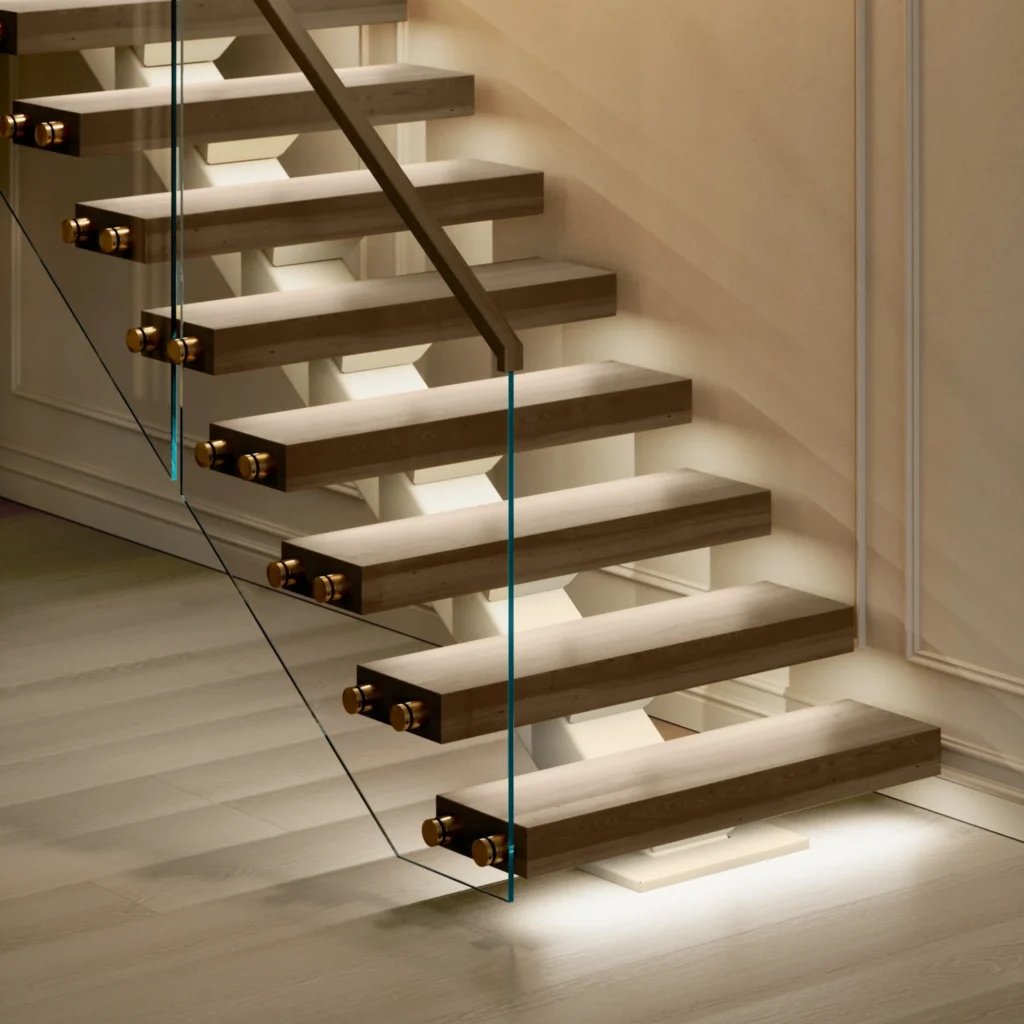
LED lighting built into treads or handrails enhances safety while creating a sleek, ambient glow.

Smart Storage Solutions

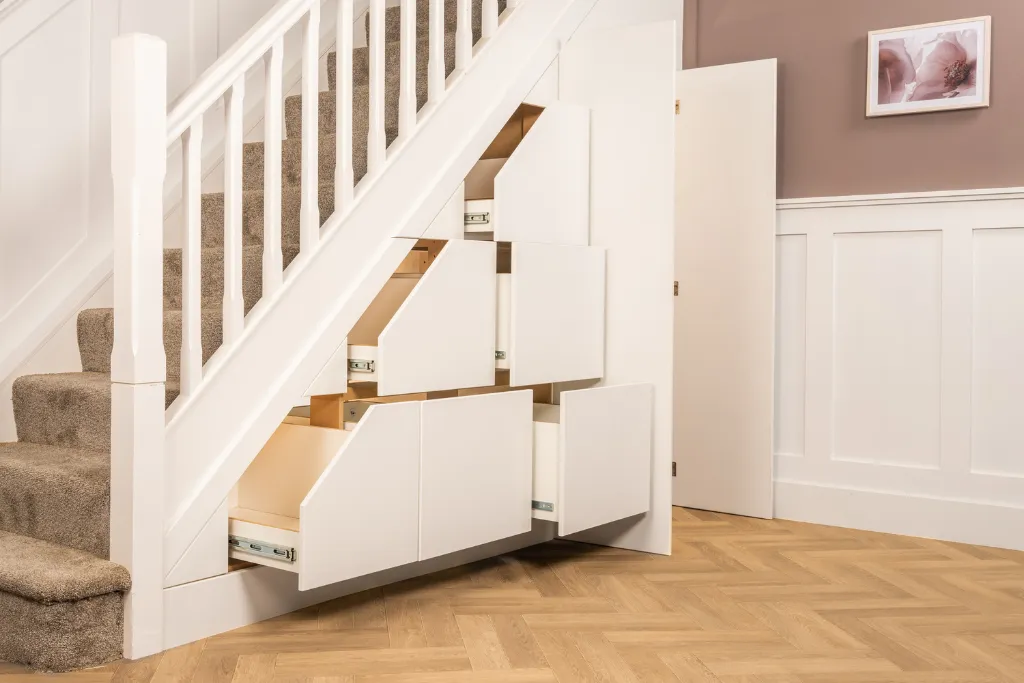
In smaller homes, stairs now double as storage, incorporating drawers, shelving, or even workspace nooks.

Interior stairs are no longer an afterthought. Whether minimalist or dramatic, today’s designs blend beauty and function — turning every step into a statement.

2026 Interior Dsign Color Trends

February 26, 2026

Interior color trends for 2026 are all about comfort, depth, and personality. Cool grays are officially out, making way for palettes inspired by nature, warmth, and emotional well-being. Homes are becoming more personal—and color is leading the shift.

🌿 Warm Neutrals & Earthy Foundations

The core palette of 2026 leans into nature-driven neutrals: beige, sand, taupe, terracotta, and rich browns. These tones create cozy, grounded spaces and pair beautifully with natural materials like wood, stone, and linen. Soft greens—olive, moss, and sage—are especially popular for their calming, restorative feel.

🎭 Rich Accents with Personality

Rather than loud, high-contrast color, designers are using deep, moody accents to add character. Burgundy, wine red, plum, burnt orange, and deep blues are trending in cabinetry, furniture, and feature walls. These hues add sophistication without overwhelming the space.

🪶 Soft Pastels, Reimagined

Muted pastels are making a quiet comeback. Dusty rose, powder blue, and soft lavender are being used sparingly for a subtle, serene effect—ideal for bedrooms, bathrooms, and relaxed living areas.

🏡 The 2026 Color Mindset

This year’s palettes reflect a desire for homes that feel intentional and emotionally grounding. Whether you choose warm neutrals, earthy greens, or bold accent tones, 2026 interior design encourages mixing comfort with self-expression.


Choosing The Right Size Dining Table

September 18, 2025

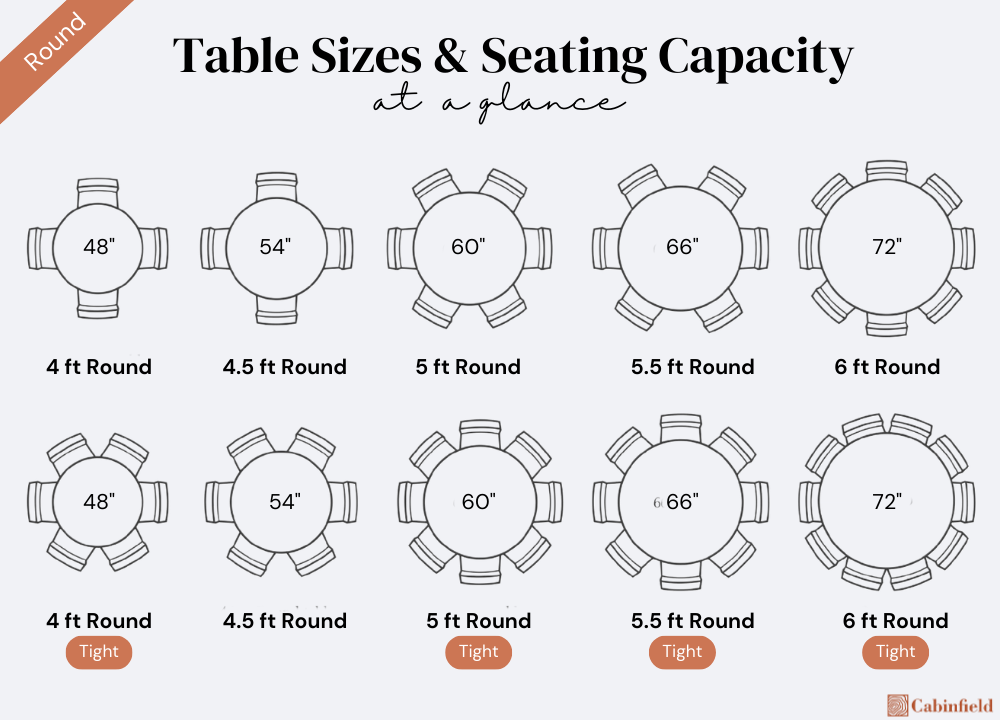
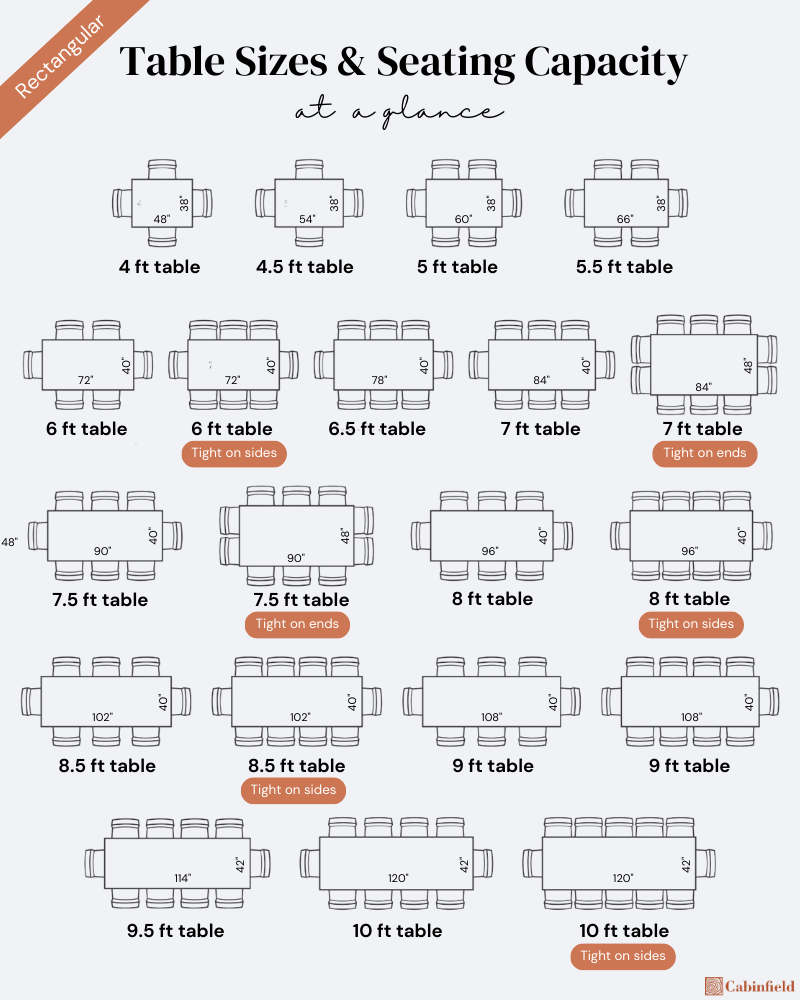
When it comes to picking the perfect dining table, size does matter! Finding the right size can significantly affect how functional and inviting your dining space feels. You want to ensure all your guests are comfortably seated while fitting in beautifully with your home’s decor. This guide is here to help you navigate all the details about dining table sizes and seating capacities to make the best choice for your home sweet home!


Creating Your Bed Using Pillows

August 21, 2025

In my last post, I discussed the types of pillows you can use for your bed. Today, I will teach you how to use those pillows when making your bed. Of course, you don’t have to use all these pillows.

I love pillows and have to admit that I have quite a collection! I enjoy using them to brighten our home, especially in the bedroom. So go ahead and give it a try at your home!


  1. Euro pillows
  2. Standard shams
  3. Standard case
  4. Boudoir sham
  5. Neckroll sham
  6. Flat sheet
  7. Coverlet
  8. Duvet cover
  9. Fitted sheet
  10. Bed shirt

Types of Pillows For Bed

August 7, 2025

Choosing pillows for your bed is an art. You need to know what size, shape, and how many you want.

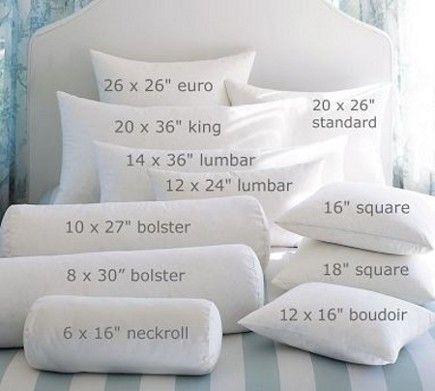
To start, it’s essential to know your pillow type. The image below serves as a helpful general guide to the various pillow sizes that are typically available. The second and more complex aspect is determining where to purchase them. Pillow type is a personal preference, so understanding if you prefer down, down alternative, memory foam, or even buckwheat pillows (yes, they exist) will help you make the right choice. If you’re a fan of down pillows like I am, aim for those with a max power of at least 600. Remember that quality pillows should be used for sleeping, while decorative pillows are meant solely for aesthetics. There’s no need to spend a lot of money on decorative pillows.


Color Meaning And Emotions

May 22, 2025

Red pumps the adrenaline like no other color, and it’s no wonder it stimulates the appetite…can anyone say red dining room? Red is so intense and tiring for the eyes that surgeons wear baby blue scrubs as an eye respite while working on the inside of the human body, which is blood red. Deep reds have a traditional feeling of importance and stature, and bright reds impart adventure. Brick red has an earthier feel and provides a classic, warm, understated look, while cherry red symbolize romance and energy. Either way, red will attract the most attention, so red is an excellent distracter in staging!


Orange is the color of enthusiasm, creativity, and warmth. It conjures up images of fast food and advertising. Orange can range from bright yellow oranges to deep terra-cotta and rust. Few use orange “as is” in large quantities, but orange is the source of many more workable hues. Rich oranges can be copper or paprika, which remarkably share the warmth of an earth tone and can be comforting and warm. Pale peach has a lovely, light accent.


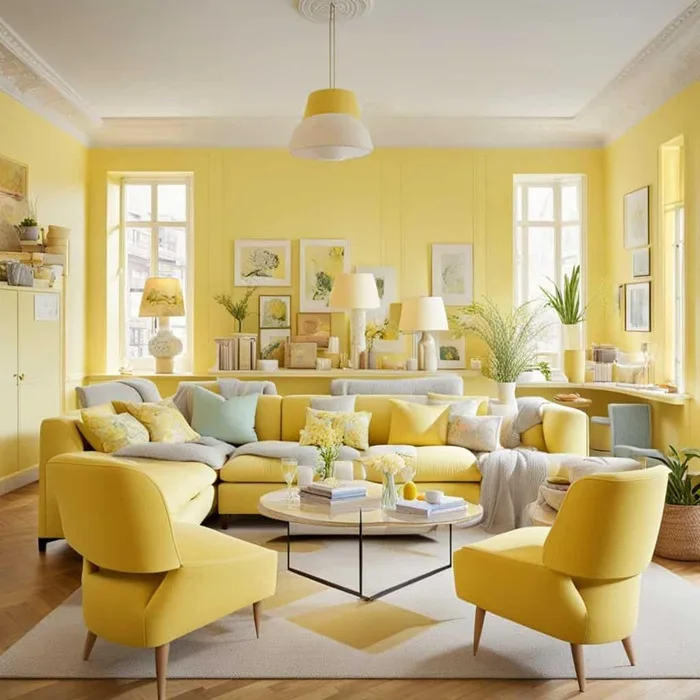
Yellow is welcoming, sunny, bright, and enthusiastic. There’s nothing like yellow to lift the spirits and lighten the mood: bold yellows and formal gold demand equally intense color companions like royal blue and crimson red. Bright yellows have a vibrating intensity that can be difficult on the eyes and are not suggested in young children’s rooms. Soft yellows with names like wheat, maize, and taffy are ideally suited to walls and furnishings where stronger colors might overwhelm them. Coordinating with almost any other color, soft yellows are easy to live with.


Green represents nature and can be tranquil, invigorating, restful, and balancing. It is relaxing and soothing, so it is used in places where people are comforted, whether it is a medical facility or a “green room” where people relax before a performance. Dark greens inspire a more conservative, traditional environment. Lighter, soft greens recall nature and soothing earth tones and look at home in almost any scheme, especially one that includes warm wood. Green is considered the fourth primary as it works well with almost any color.


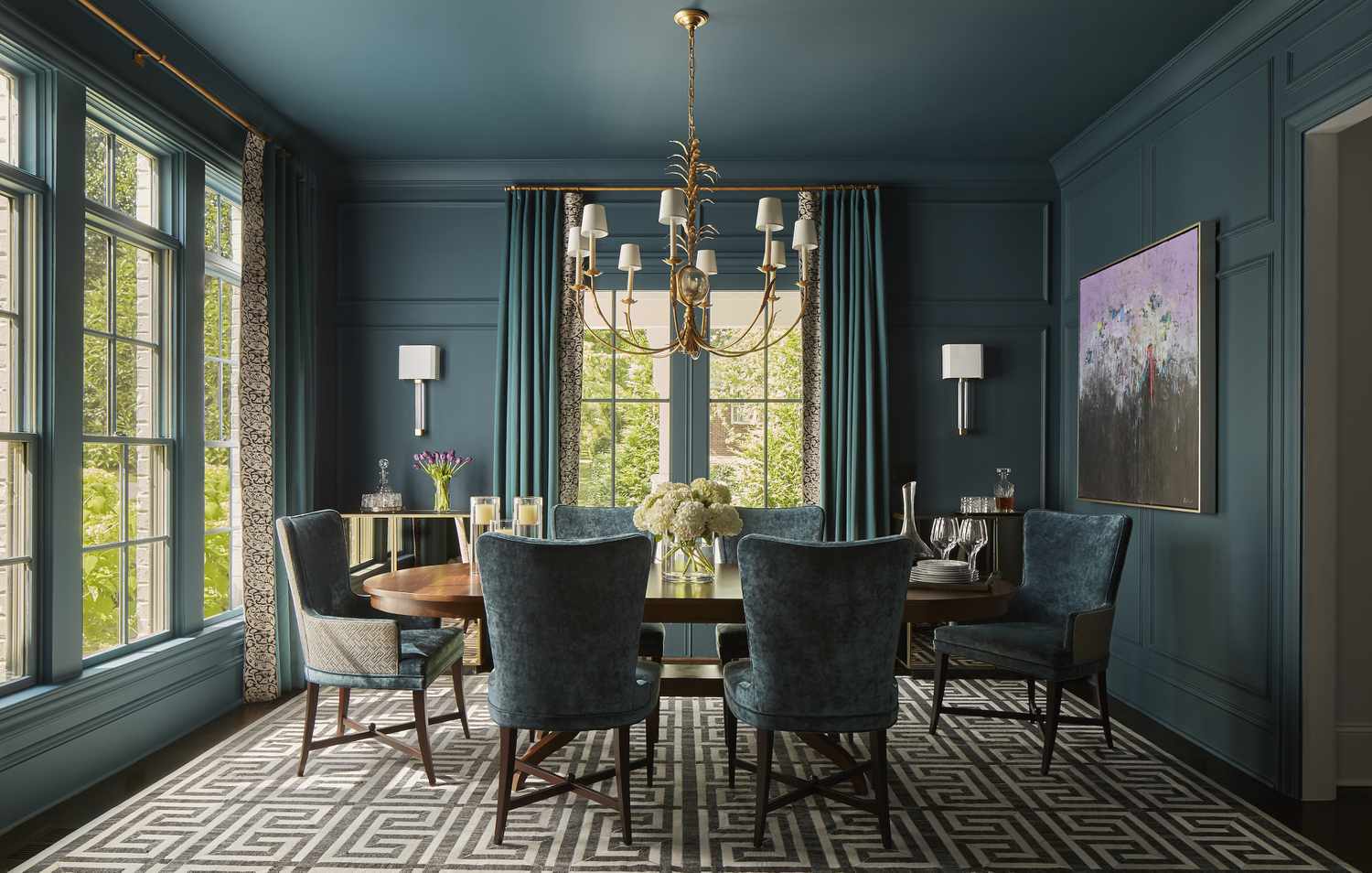
Blues are connected to both sky and water. They are associated with clear thinking and calm, meditative environments (think surgeon’s blue scrubs). Blue also invokes the qualities of loyalty, honesty, and clarity. Blue is a relatively broad color family, including hues as varied as cornflower, cobalt, and cerulean. Bright, breezy blues please children, while less intense versions satisfy more sophisticated tastes. Blue is the coolest color on the wheel, generally producing tranquil feelings and peaceful moods. It is my favorite bedroom color!


Purple brings luxury, wealth, sophistication, mystery, romance, and royalty to mind. This mix of emotions is common as some people view it as magical and mysterious, while others as dark and dreary associated with the Victorian era. Rich purples can be used in rooms of quiet elegance and convey a formal look combined with cream, gray, and black. Soft purples like lilac and lavender can be more feminine and create a feeling of splendor, style, and light-hearted romance. The light hues go particularly well in bedrooms or children’s rooms where the mood is cooling, romantic, or whimsical.


Neutral colors like white (purity and freshness), black (understated elegance, power, and strength), and brown (stability, security, and comfort) work wonders in any color scheme.


The Don’t Of A Room

May 8, 2025

When considering a room’s “don’ts,” avoid common design pitfalls like cohesion, overdone symmetry, color gone wrong, and shapes, lines, and forms. 

1. Lack of Cohesion: The room can’t decide what it is. Contemporary? Traditional? Does the item serve a purpose? Pay attention to all the elements in the room. Place items purposefully (E.g., Floor lamp next to chair/sofa).

2. Overdone Symmetry: It becomes redundant and uninteresting. You don’t have to have two of everything. The only exception is the master bedroom.

3. Color Gone Wrong: Understand the saturation/value of the color. Saturation is the purest shade of that color, the highest level. Value is when you brighten the color by adding white. (Ex: coffee, add milk color lightens). Use colors that will compliment the furniture. If one color pops out more than any other color, chances are the color is to saturated.

4. Lack of Attention to Shape, Line, and Form: The lines all go in the same direction (E.g., all vertical, vertical lamp, vertical stripes, tall vertical vase).